The Beginner's Guide to British Pub Etiquette: Ordering, Tipping and Table Manners
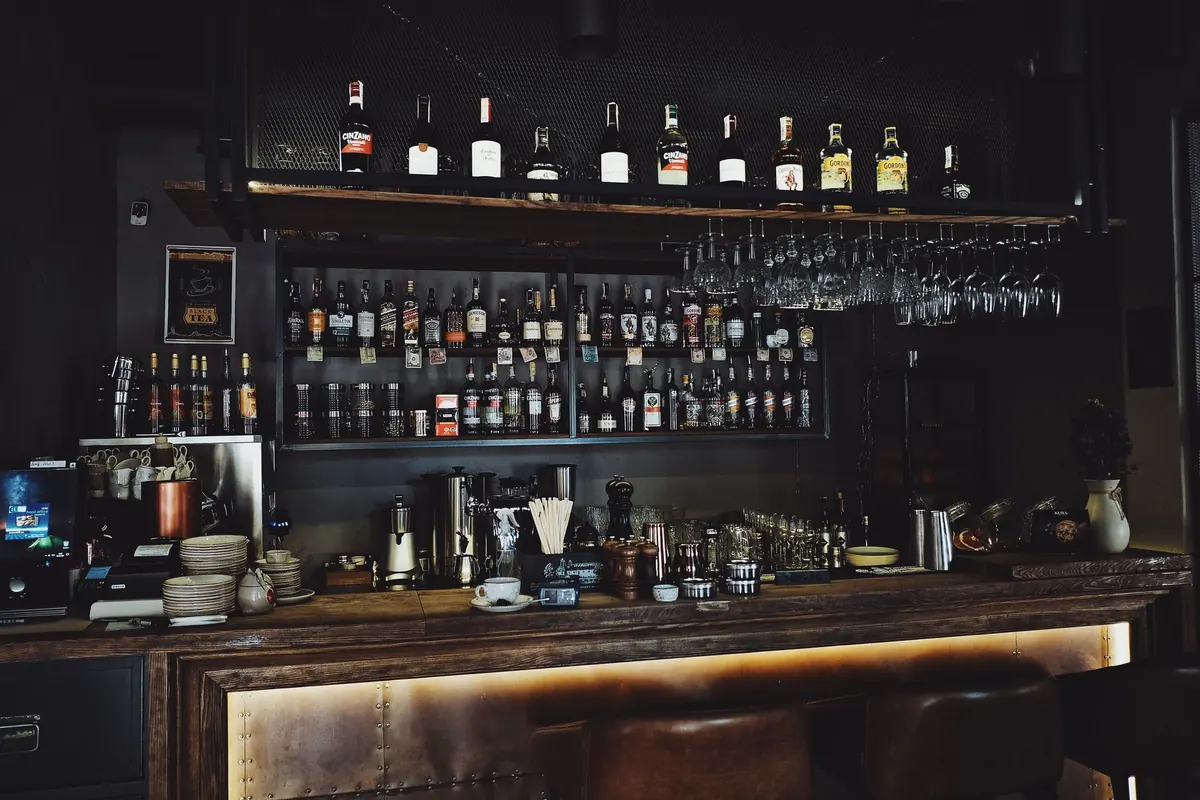
Walking into a British pub for the first time can feel like arriving at a party where everyone knows the rules except you. There is no host at the door, nobody to seat you, and the person behind the bar is already pulling three pints at once. The good news: the rules are few, mostly about consideration, and once you know them the whole thing becomes pleasantly straightforward.
Order at the Bar, Not at the Table
The most useful thing to understand is that the bar is the centre of the pub. Unless you see a sign saying otherwise, you go up to order, and you pay as you go. Nobody will come to your table for a drinks order, and waiting for someone to do so will leave you thirsty.
There is no formal queue. It works on eye contact: bar staff scan the room, serve people roughly in the order they notice them, and everyone else waits with reasonable patience. Do not lean across the bar, wave a tenner, or shout your order from three metres away. Stand where you can be seen, look at the person serving, and have your order ready when they catch your eye.
If you are eating, find a table first and note the number if there is one, then order at the bar and carry your drinks back with you. Many pubs now run table service or app ordering — if that is an option, it will be advertised on the table or the menu.
Useful things to say
- "A pint of the [name], please." Or a half, if you want less. Point at the pump if you cannot read the label from where you are standing.
- "Could I try a small taster of that one?" Worth asking with cask ale, though not every pub offers it.
- "Are you still serving food?" Kitchens usually close earlier than the bar.
- "Can we start a tab?" Common if you are eating or in a group. Expect to leave a card behind the bar.
Card payments are normal in most pubs now, and cash is still fine. If you are paying for a big round, say so before the drinks are poured.
Rounds: The Rule Everyone Learns the Hard Way
Buying rounds is the social engine of the pub. One person goes to the bar, buys drinks for the group, then someone else takes the next round. Over an evening it roughly evens out, and the point is not accounting — it is that nobody has to fetch their own drink all night.
If someone buys you a drink, the expected response is that you will get the next one. That is the whole deal. If you are not drinking alcohol, you can still join in with a soft drink or a lime and soda, and nobody will mind. What does annoy people is joining a round all evening and slipping away when it is your turn.
There are sensible exits if rounds do not suit you. Say so early and cheerfully: "I'll get my own tonight, I'm taking it easy." Or take a smaller round — "I'll get these two" — if the group is large. Remember what everyone is drinking, or ask before you go up. And if you are the one at the bar, do not stand there waiting for a straggler to decide; order what you know and get the rest when they make up their minds.
Tipping in Pubs: Simple, Optional, Never Awkward
Tipping in a pub is genuinely not expected, and that is the most important thing to know. Buying a round of drinks at the bar does not require a tip. If you pay in cash and the change is a few coins, saying "keep the change" is a friendly gesture, not an obligation.
There is one tradition worth knowing: "and one for yourself". Said to the person serving you, it means you are buying them a drink. Usually they will add the price of a drink to what you are paying, or put the money in a tip jar, depending on how the pub runs things. A pound or two, or roughly the price of a pint, is the usual scale. Say it if you mean it, and do not be put out if they decline or the money goes into a shared jar.
For food, ten per cent is a generous default when service has been good. Check the bill first — some pubs add a service charge for larger tables — and note that card machines sometimes offer a gratuity option before you pay. Skip it if you would rather. Nobody will comment.
Tables, Food and Everyday Manners
Pub manners are relaxed, but not absent. A few habits mark out someone who knows what they are doing.
- Do not take a table with a reserved sign on it, even if it looks empty.
- Pass condiments rather than reaching across someone's plate, and ask before helping yourself to chips from another plate. Ask, and the answer is almost always yes.
- At busy times, tables are usually for people eating. Nursing one drink at a table for three hours on a Friday night will not win you friends.
- Keep phone calls short and off speaker. Pubs are loud, but there is a difference between lively and intrusive.
- Children and dogs are welcome in many pubs, but the rules vary by venue and by time of day — ask at the bar.
- Leave empty glasses on the
Photo: Egor Komarov / Pexels